

Authenticity and the Value of Territory
Authenticity and the Value of Territory

When a place becomes experience, identity, and value.
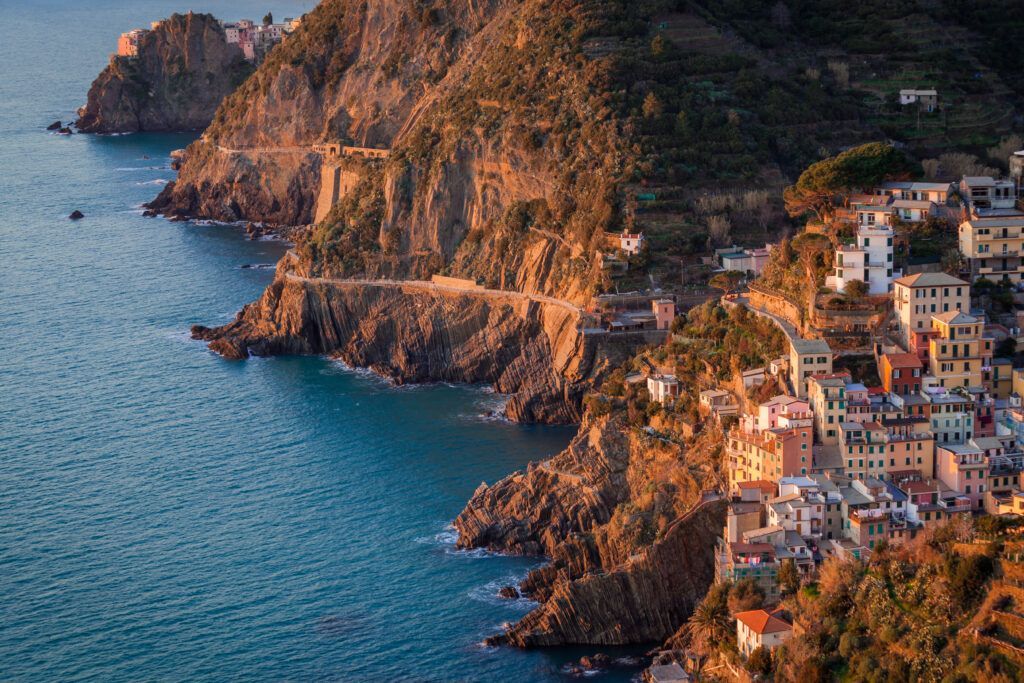
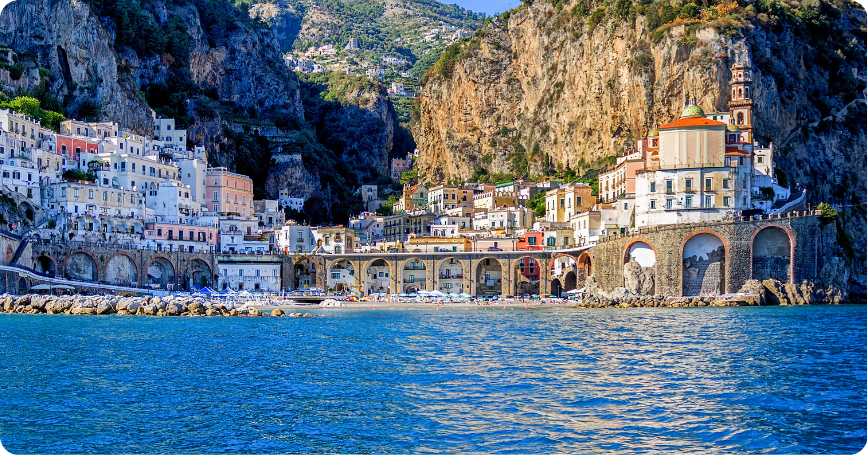
A territory is not simply a location on a map.
It is a history made of people, landscapes, traditions, production, memory, culture, and knowledge, layered over time. It is what makes one place different from every other, and, for that reason, impossible to repeat.
Today, in a world where everything is easily accessible, photographed, and reproduced, true luxury is no longer only what costs the most. True luxury is what cannot be copied. This is where the value of authenticity begins.
Authenticity as heritage
To develop a territory does not mean transforming it to make it more appealing. It means, first, recognising what makes it genuine, and building around that identity a model capable of protecting it while making it known.
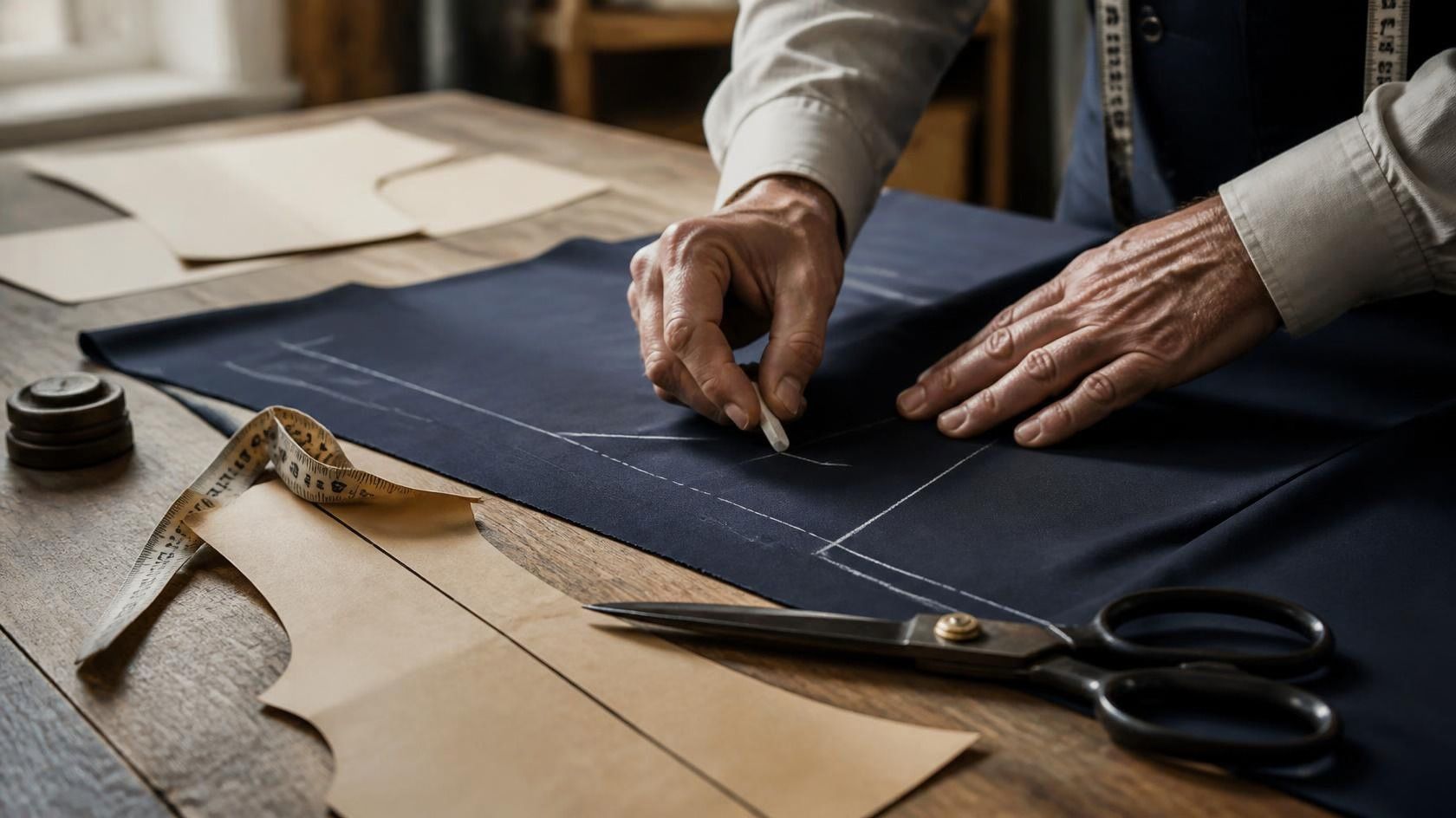
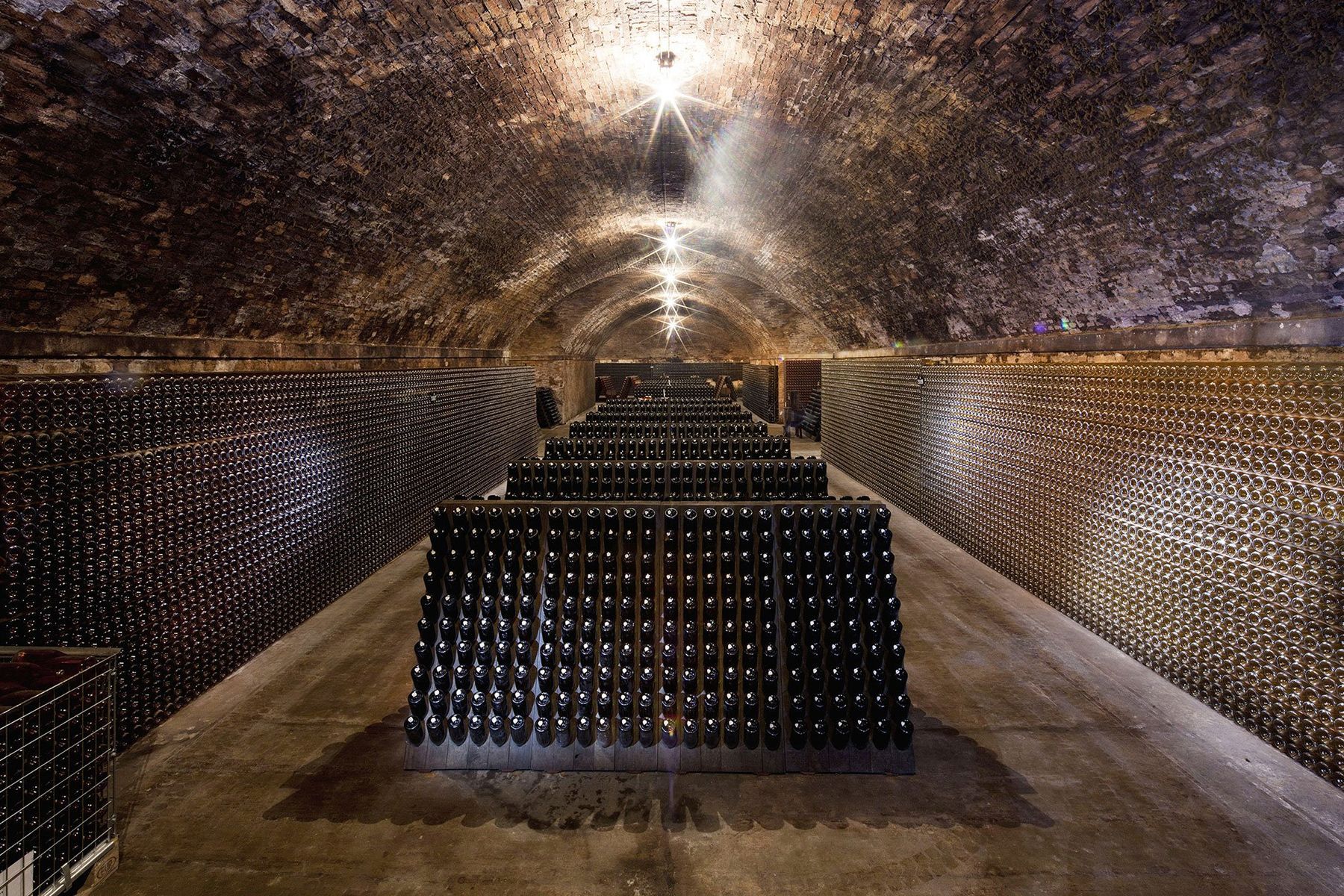
A small hilltop village. A family-run cellar. A centuries-old olive press. An artisan's workshop. A recipe passed down through generations. A truffle hunt that still depends on one dog and one nose. A working agricultural landscape. A local festival. Any of these can carry enormous value.
But that value, left untold and unorganised, risks staying invisible. Development, then, begins where identity meets the ability to communicate it.
Do not build a territory to sell. Tell the one that already exists.
One of the most common mistakes in tourism promotion is building a product to match market expectations, until every destination starts to resemble every other. Real development moves in the opposite direction.
Do not ask: What can we create to attract the tourist?
Ask instead: What do we already have that the world does not yet know?
Every strategy for developing a destination should start from that second question. A territory does not become competitive by imitating others. It becomes competitive by making its own singularity recognisable.
From destination to experience
Today's traveller is no longer looking only for places to visit. They are looking for something to live, closer to designing a trip than simply booking one.
They want to meet people, hear their stories, understand a culture, taste what is grown or made where it originates, cross real landscapes, take part in rituals that were not staged for them. They want to come home with more than a photograph. They want a memory of their own.
This is why developing a territory means turning its heritage into experience, without distorting it.
A tasting becomes a meeting with the producer. A lunch becomes the story of a family. A visit to a village becomes an encounter with the people who live there every day, not a stop on a route. A local product becomes the story of a culture. A landscape becomes the record of centuries of human work.
It is in this shift, from asset to experience, that real value is created.
The people
There is no authentic territory without a community.
People are a destination's most valuable asset. They hold the knowledge, the traditions, and the memory. They can tell a place's story with a force that no brochure, no website, and no advertising campaign will ever match.
This is why development has to involve producers, restaurateurs, artisans, hospitality operators, guides, associations, institutions, and local communities, not as individual operators, but as parts of one ecosystem.
When these different voices learn to work together, a territory stops being a collection of separate activities and becomes a destination people can recognise.
Develop without consuming
Authenticity also carries responsibility.
A territory cannot be treated as a resource to use until it runs out. Growth in tourism has to respect the balance between economy, environment, culture, and the quality of life of the people who call that place home, the same balance that separates tourism that is genuinely sustainable from tourism that only claims to be.