

Tailor-Made Luxury Trip to Italy: Why we turn down more requests than we accept
Tailor-Made Luxury Trip to Italy:
Why we turn down more requests than we accept
A tailor-made luxury trip to Italy, done properly, starts with a conversation, not a catalogue. It also starts with a limit: how many of these trips we take on at any one time. Both facts explain most of what Italy First Class actually is.
Italy First Class designs and runs private trips across Italy, islands included, for guests who are usually not visiting the country for the first time. On our own site we describe ourselves as a luxury DMC atelier. In practice that means two things: we design the trip, and we are also the company on the ground in Italy when it runs, not a booking layer between the guest and whoever actually shows up.
The itineraries published on this site are not a menu. They exist so a prospective guest can see the level of detail we work at: a private wine estate visit in the Langhe, a palazzo in Venice with no other visitors, a week that moves from the Dolomites to the coast without the logistics ever becoming the guest's problem. The actual trip is built afterward, from nothing, around one specific group of people.
What we actually ask before we design anything
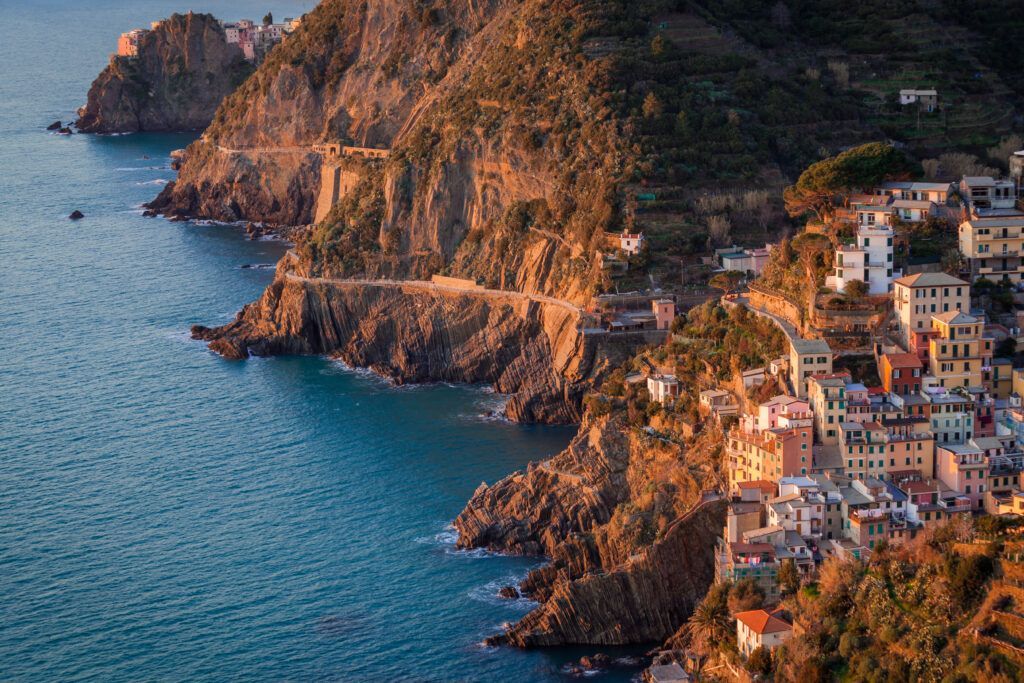
Before a single hotel or driver is booked, we ask a short set of direct questions. Which regions or cities matter to this group, and if that is not yet clear, whether the pull is toward the coast, toward mountains such as the Alps or the Dolomites, or toward cities and museums.
How many days exist between arrival and departure. What the occasion actually is: a straightforward vacation, an anniversary, a wedding, a corporate incentive. How many people are travelling, and what kind of group they are: a family, a couple, friends.
Whether hotels alone are the expectation, or whether an agriturismo or a Relais & Château property would fit better. And what the group actually wants to do once there: a private wine tasting, golf, a morning at the spa, time set aside for shopping.
Budget comes up directly, too. Some guests have a figure in mind. Others prefer to describe the trip they want and let us tell them what it costs. Both approaches work. What does not work is skipping the question and guessing, which is how an itinerary stops fitting the people paying for it.
Eighteen years on the ground
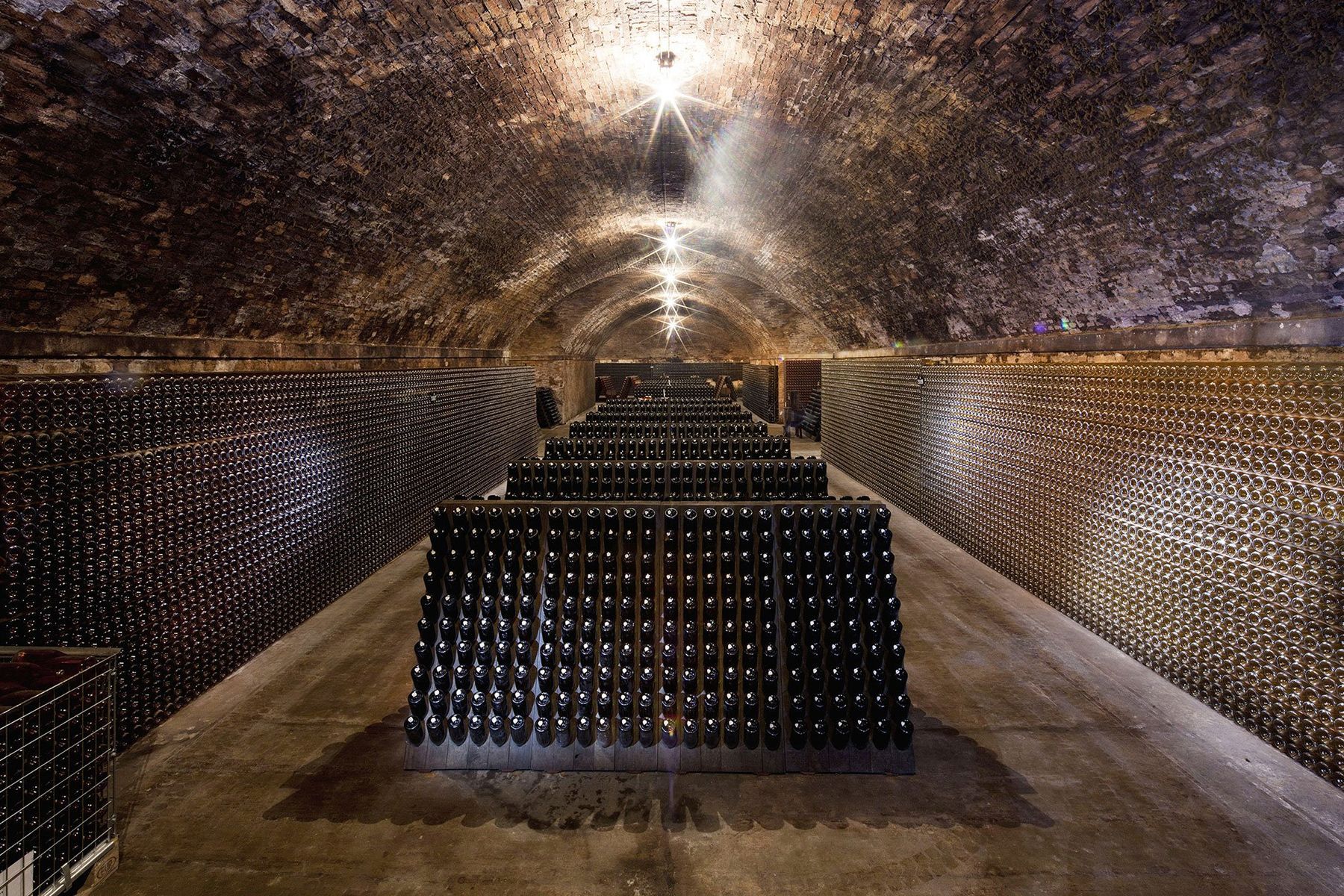
Italy First Class has been building trips this way for over eighteen years, based in Modena, working the length of the country from the Alps to Sicily and Sardinia. That length of time is what makes the private access possible: a cellar that opens outside its hours, a museum room held for one family, a restaurant table that would not otherwise exist on a Tuesday in August.
We have written before about what changes once a trip is designed rather than booked, including the seven-night, two-base rule that keeps a short trip from turning into a week of transfers. The same thinking applies here: the itinerary changes completely from one guest to the next, but the groundwork behind it does not get lighter just because the trip is shorter.
Eighteen years is also what tells us, fairly quickly, whether a request is realistic. Part of the job is saying so plainly when it is not, rather than agreeing to an itinerary that would embarrass everyone once it started.
Why we would rather take on fewer trips
We limit how many trips we run at any given time. This is a business decision, not a marketing line: a request that gets a senior member of the team, fast replies, and a realistic amount of planning time behind it produces a better trip than one competing for attention with twenty others.
It also means we say no. Some weeks that means turning down a request we could technically accept, because taking it on would thin out the attention going to trips already in progress. Guests rarely see this part. It is, however, most of why the ones we do accept tend to go well.
The wider industry is starting to describe the same instinct from the traveler's side. Virtuoso's 2026 Luxe Report names "crowd control" as one of the defining trends in luxury travel this year: avoiding the same rooms and the same days as everyone else. A company that limits its own volume is simply applying that idea to itself as well as to the itinerary.
Who a trip like this actually suits
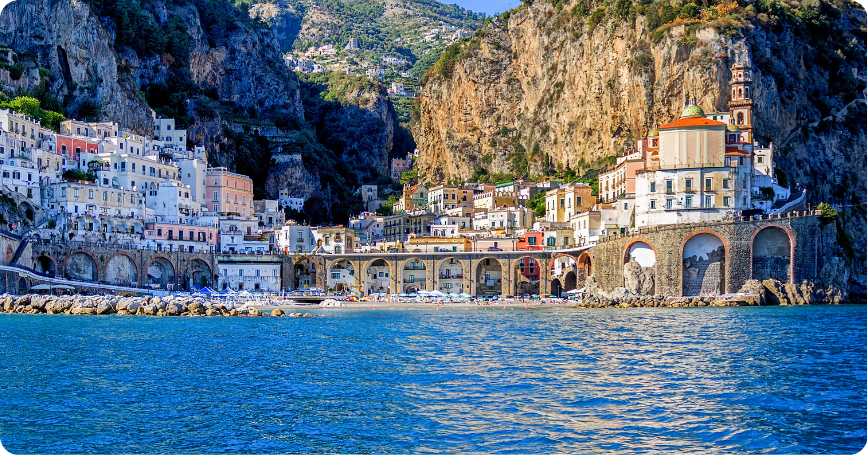
Most of the people we work with have already done a standard tour of Rome, Florence and the Amalfi Coast. What they want this time is different: places and people a standard itinerary does not reach, at a pace they set.
Some are planning their own vacation. Others are advisors and agents shaping a bespoke tour of Italy for a client and using us as the company on the ground, in the DMC sense of that word: local knowledge and local relationships, supplied to someone else's client under someone else's name.
The line on our own homepage puts it plainly: private journeys into the most exclusive Italy, not for everyone, designed for those who expect more. Both halves of that sentence are meant literally. Not every trip we are asked to plan is one we take on, and the ones we do take on get the kind of attention a good trip actually requires.
A tailor-made luxury trip to Italy, in the end, is simply what is left once the guesswork is removed: the right region, the right pace, the right people on the ground, and enough time given to each file to get it right.
Common questions
What does Italy First Class actually do?
We design and run private, tailor-made trips across Italy, islands included, for individual travelers and for the travel advisors and agents who book on behalf of their own clients. We are not a booking platform: we are also the company on the ground when the trip runs.
Are the packages shown on the website ready to book as they are?
No. They are examples, published so a prospective guest can see the kind of detail and access we work at. The trip we actually build starts from a conversation with that guest and is put together afterward, around their answers.
How far in advance should a tailor-made trip to Italy be planned?
For the high season, four to six months gives us room to secure the access that makes the difference: a table, a private opening, a guide who is not already booked. Shorter notice is often still possible. It simply narrows what we can promise in advance.
Does Italy First Class work with travel advisors and agents, not only direct travelers?
Yes. For advisors and agents building a client's trip to Italy, we work as the DMC on the ground: local access, local logistics, and a single point of contact in Italy, delivered under the advisor's own relationship with their client.
Italy First Class accepts a limited number of requests at any one time, by design. If what you have in mind is a trip built around your own answers rather than a package, tell us what you have in mind.
Related: What a Private Travel Concierge Actually Does (And What It Cannot Do): what the same eighteen years of access looks like from the guest's side, day to day.